Photo to Scan: Turn a Photo into a Scanned Document

Upload one photographed page to reduce shadows, crop the surroundings and correct perspective. Choose color, grayscale or black and white, then review every detail before downloading an image or single-page PDF.

  • Straighten camera perspective
  • Crop away the surroundings
  • Review handwriting and highlights

Upload one photographed page

JPG, PNG, or WebP.

Choose photo
One pageAuto straighteningReview before download
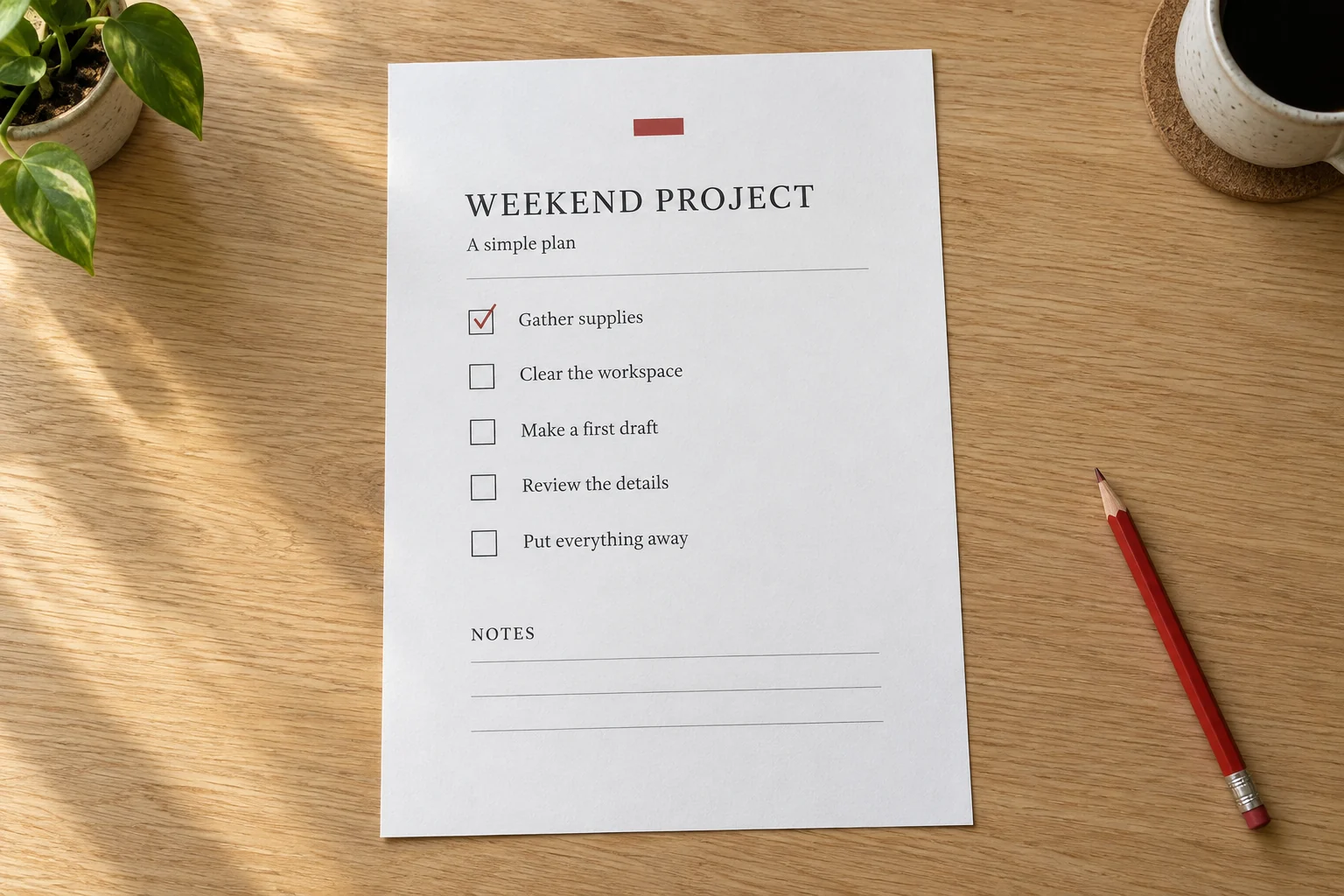
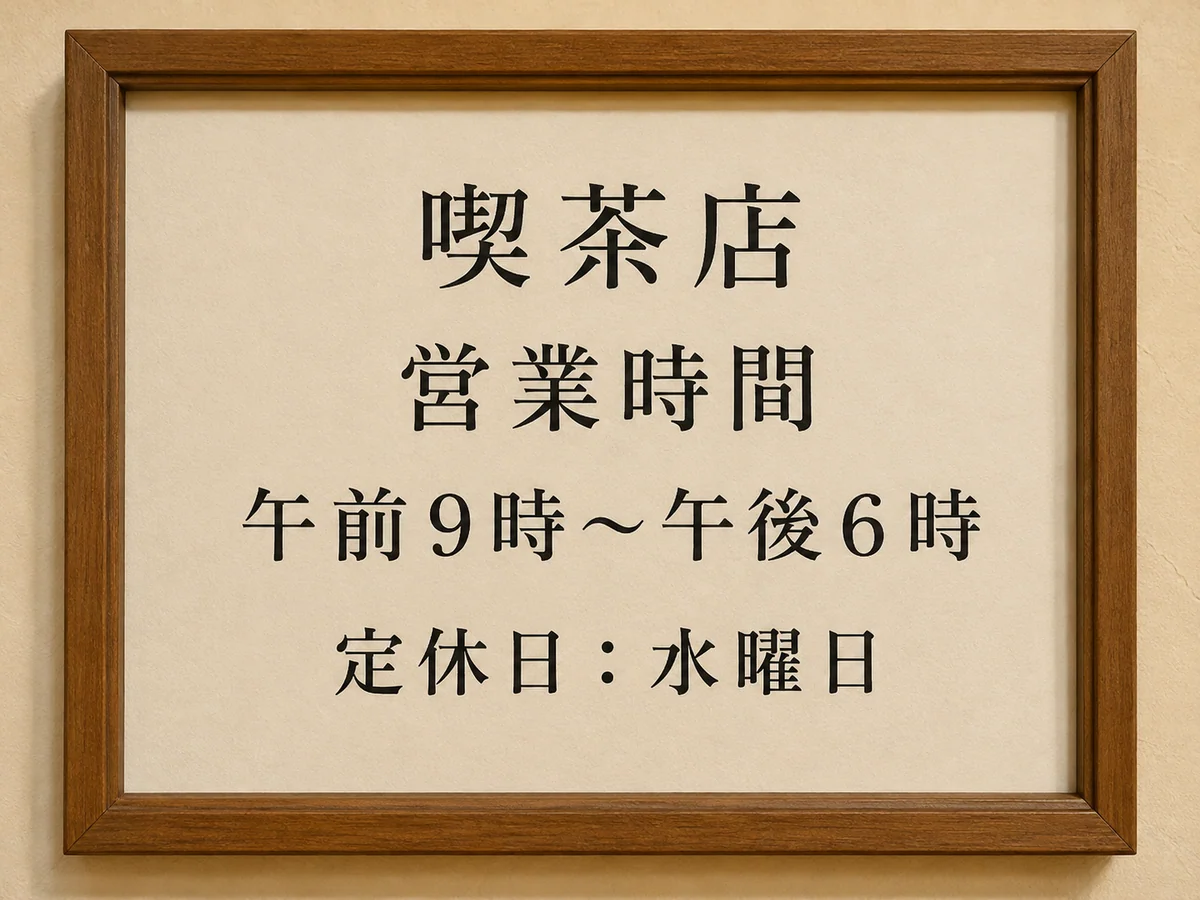
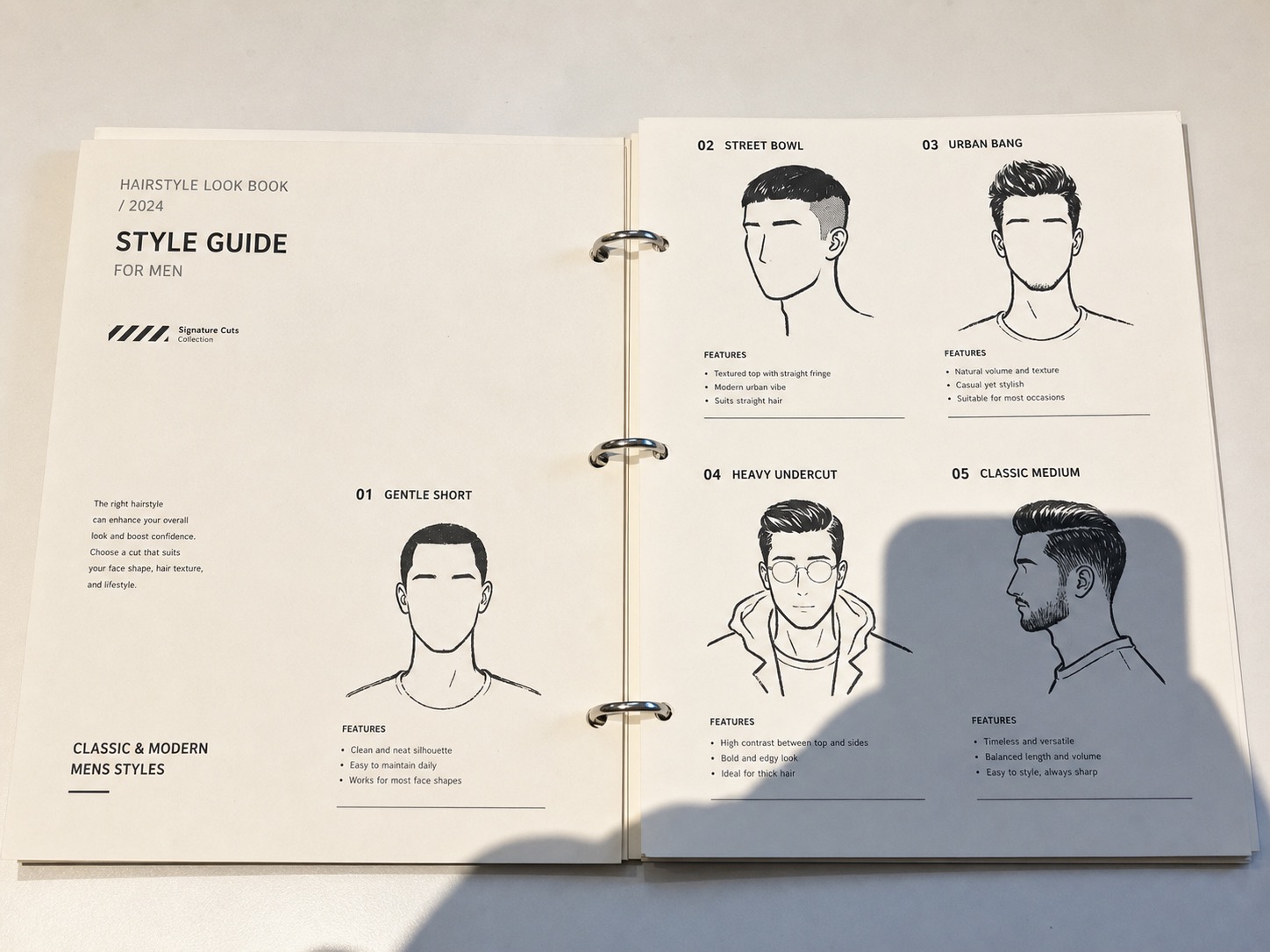
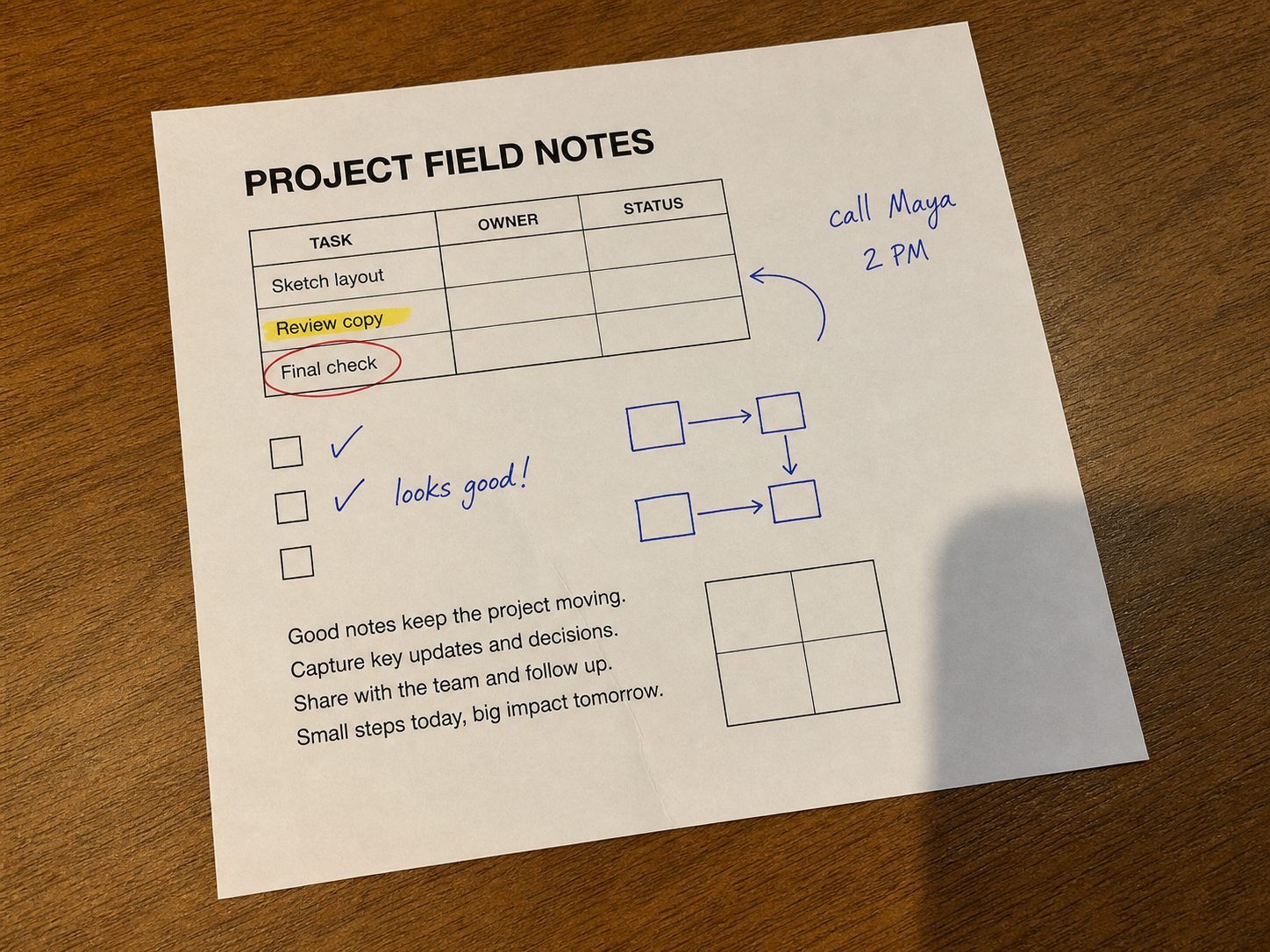
Angled document photo on a desk with printed text, handwriting, highlights, and a phone shadow
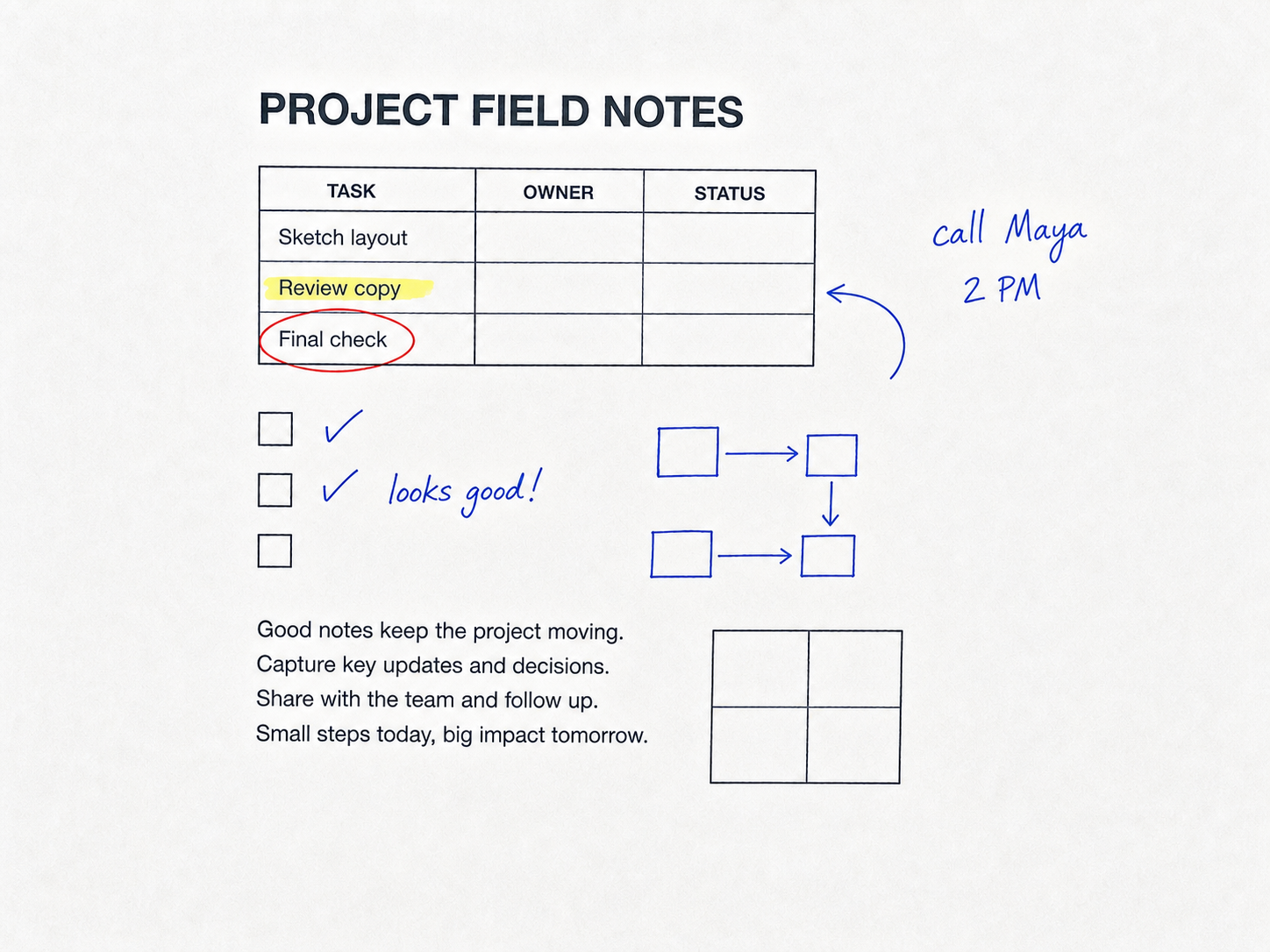
Straightened document image preserving printed text, handwriting, forms, and highlights

A clearer page, with settings you control

AI reduces uneven light before page cropping and perspective correction. AI may change document details, so compare names, numbers, signatures, and marks with the original.

Straighten camera perspective
Detect the page corners and transform the angled photo into a flat rectangular document image.
Crop away the surroundings
Remove the desk, phone edge, and other background outside the detected page.
Review handwriting and highlights
Compare notes, checkmarks, highlights, and printed text against the original before using the result.
Reduce uneven light
Normalize broad shadows and warm room light while retaining readable contrast and colored marks.

Explore illustrated scan examples

Illustrative example. Compare all text and marks with your original.

Tables stay aligned

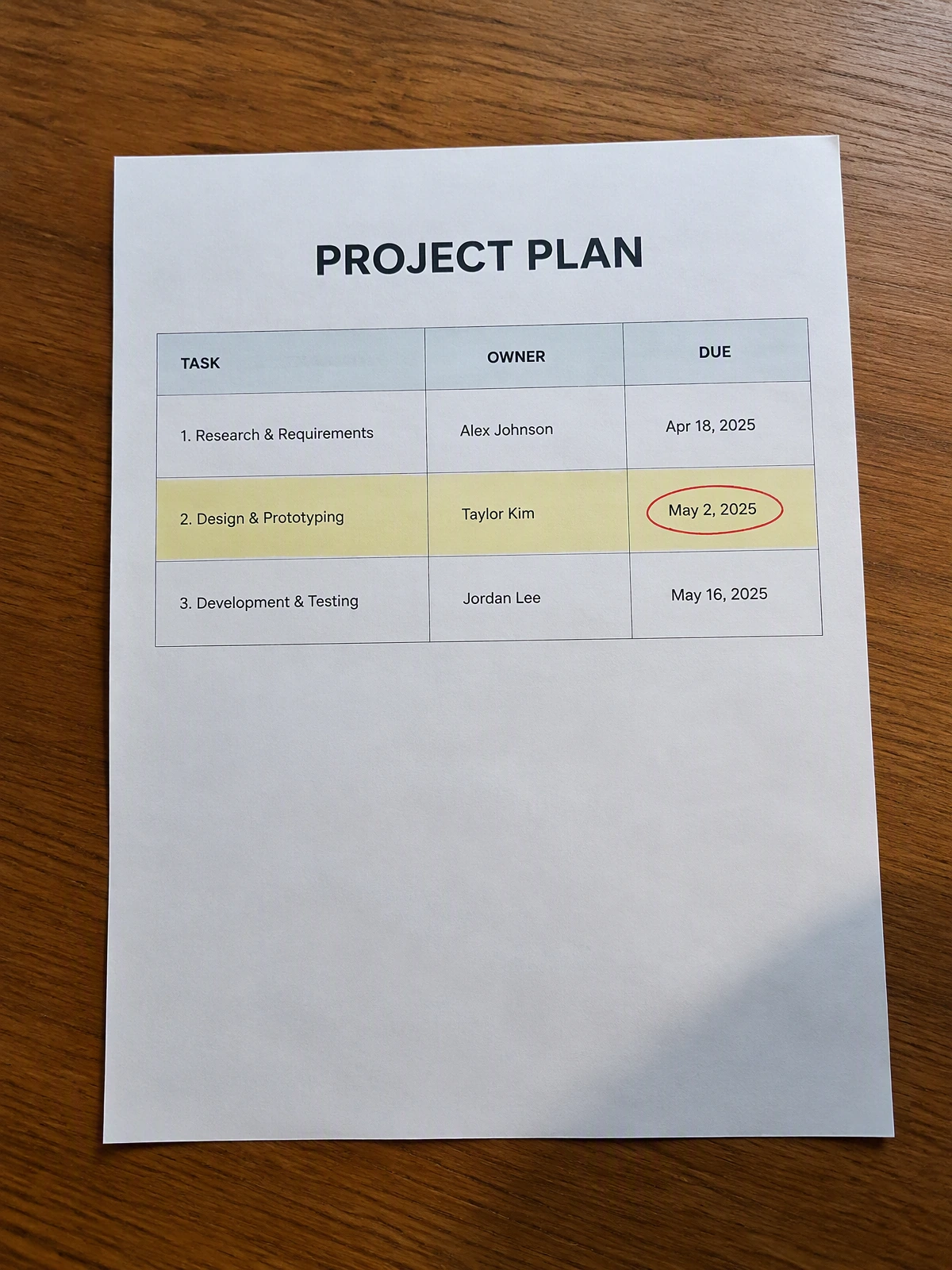
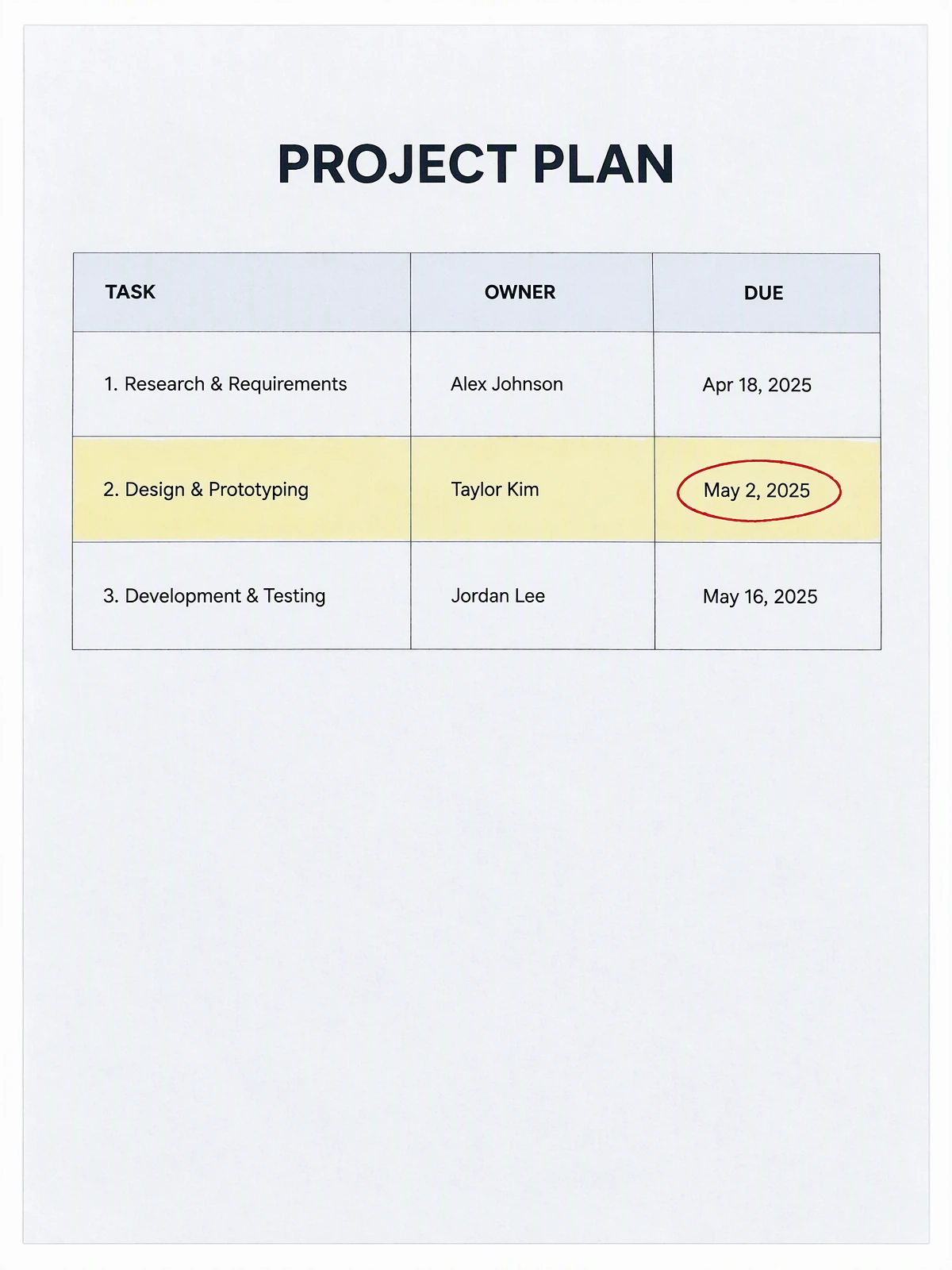
A quick phone photo of a project table can look skewed and warm. Photo to Scan flattens the page so rows and columns are easier to read and share.

Photo
Straighten the page and remove the wooden desk around it.
Clean scan
Printed table lines, headings, yellow highlight, and the red circle remain in place.
Vertical phone photo of a skewed project table with a desk visible around the page
The same vertical project table flattened into a clean scan with its highlight and circle preserved

Handwritten notes remain readable

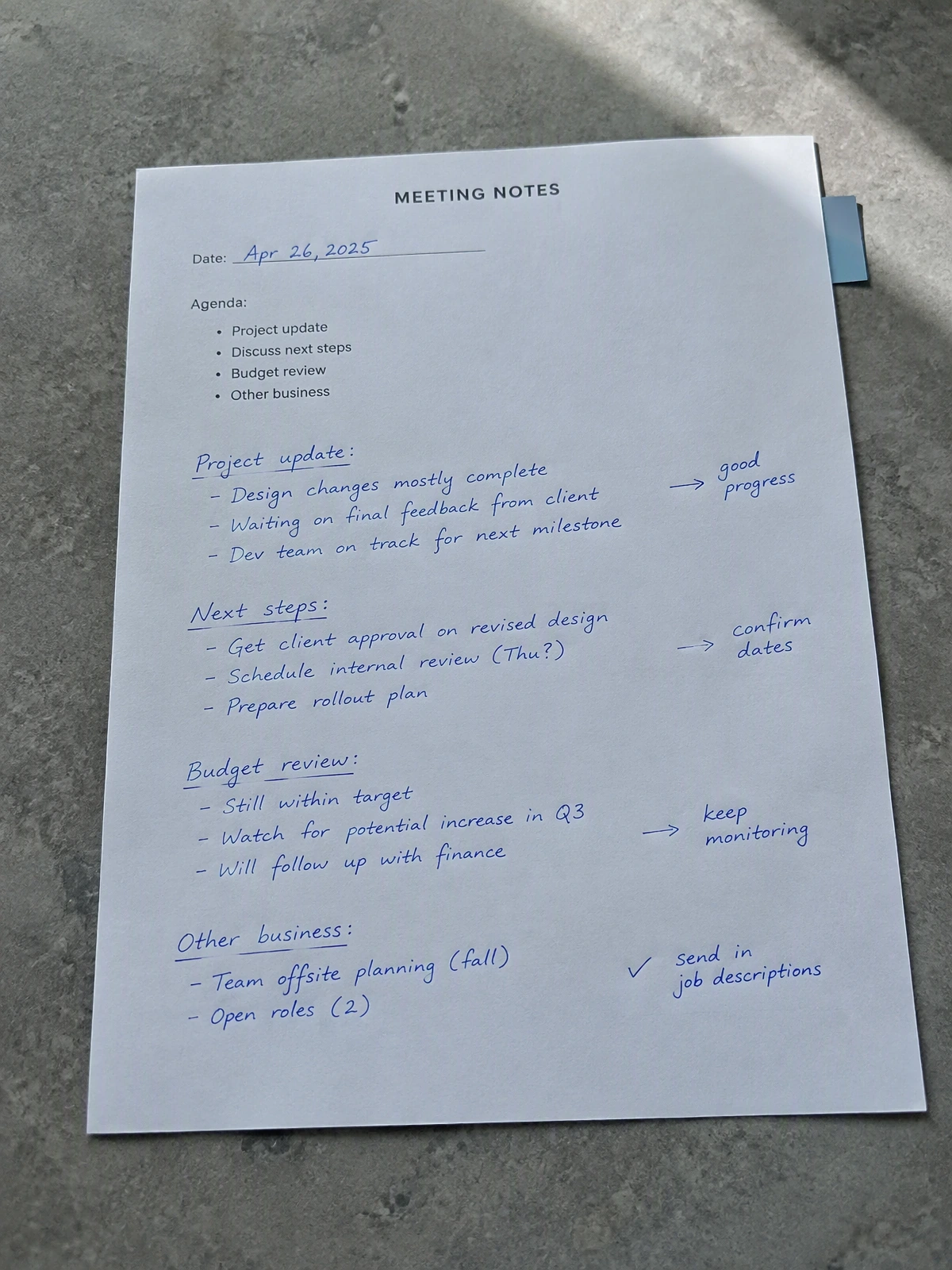
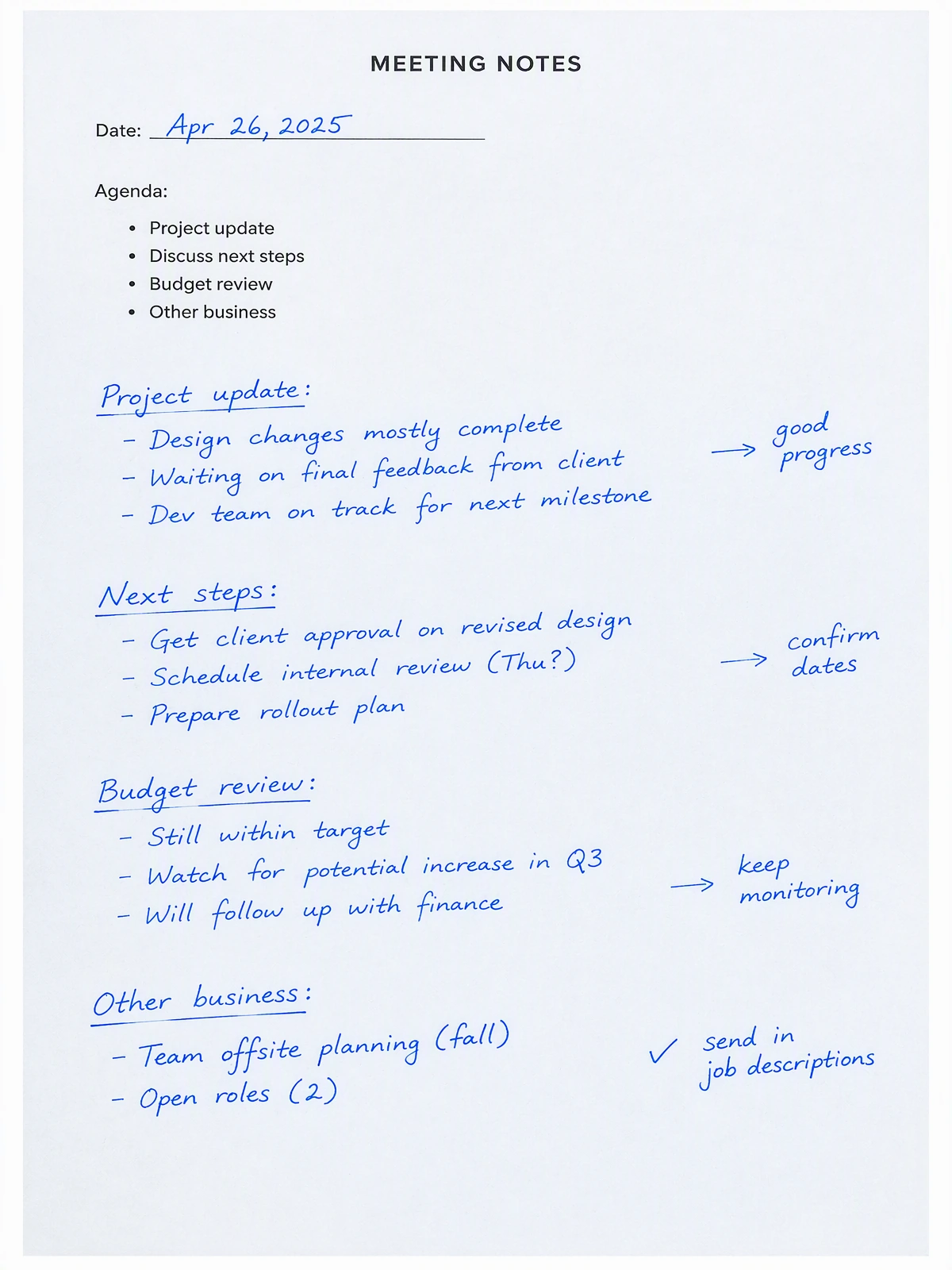
Keep the useful blue-ink notes and arrows from a working document while the processor removes the camera angle and uneven room light.

Photo
Correct perspective and normalize the paper light.
Clean scan
Handwriting, checkmarks, arrows, and the printed worksheet layout stay visible.
Vertical phone photo of a meeting-notes page with blue handwriting on a gray stone tabletop
The same meeting-notes page as a straight scan with blue handwriting and arrows preserved

Checklists are ready to send

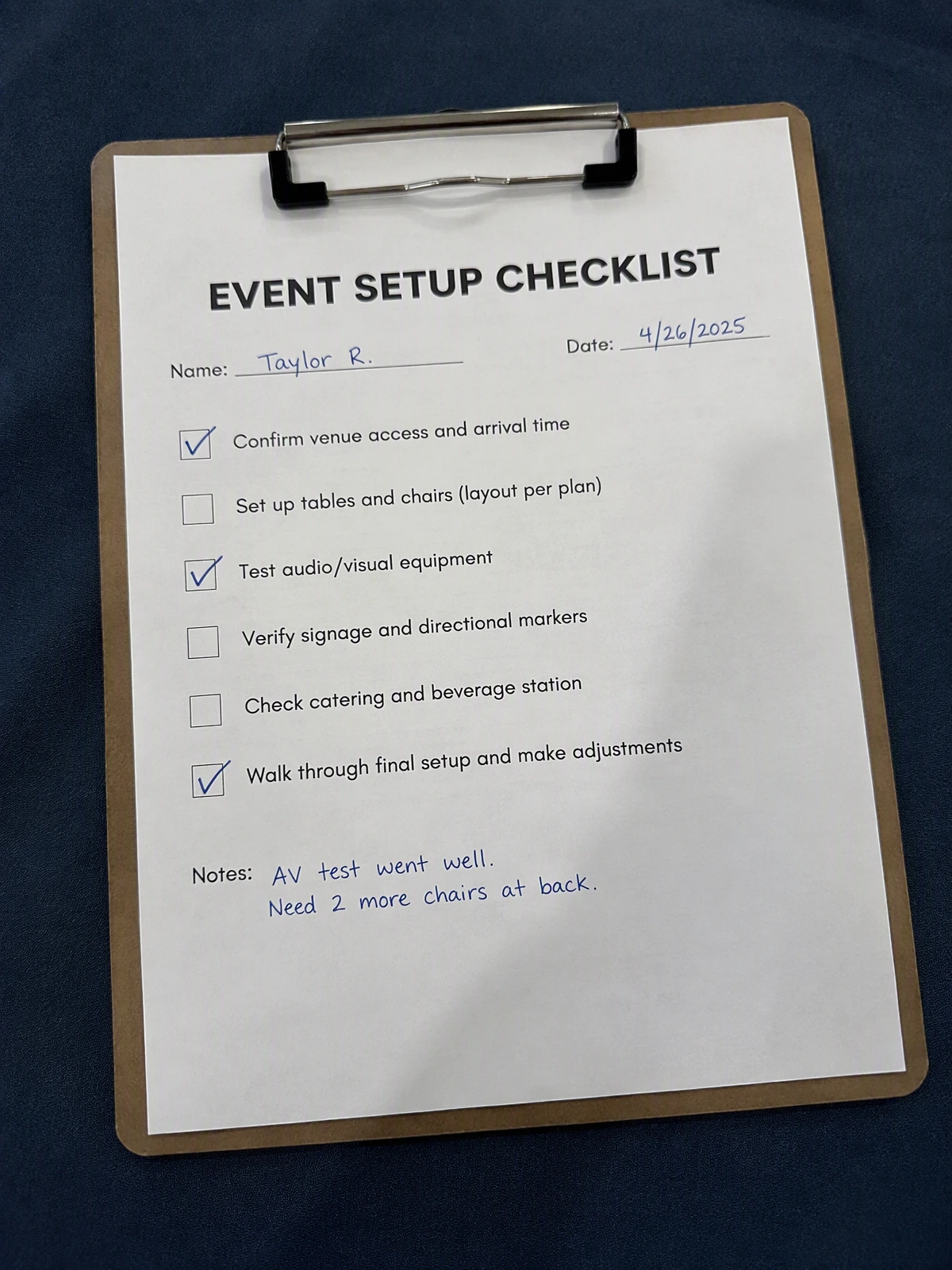
Turn a quick clipboard photo into a clean page image for a teammate, a project folder, or a follow-up message without recreating the page.

Photo
Crop the page and reduce broad shadows outside the content.
Clean scan
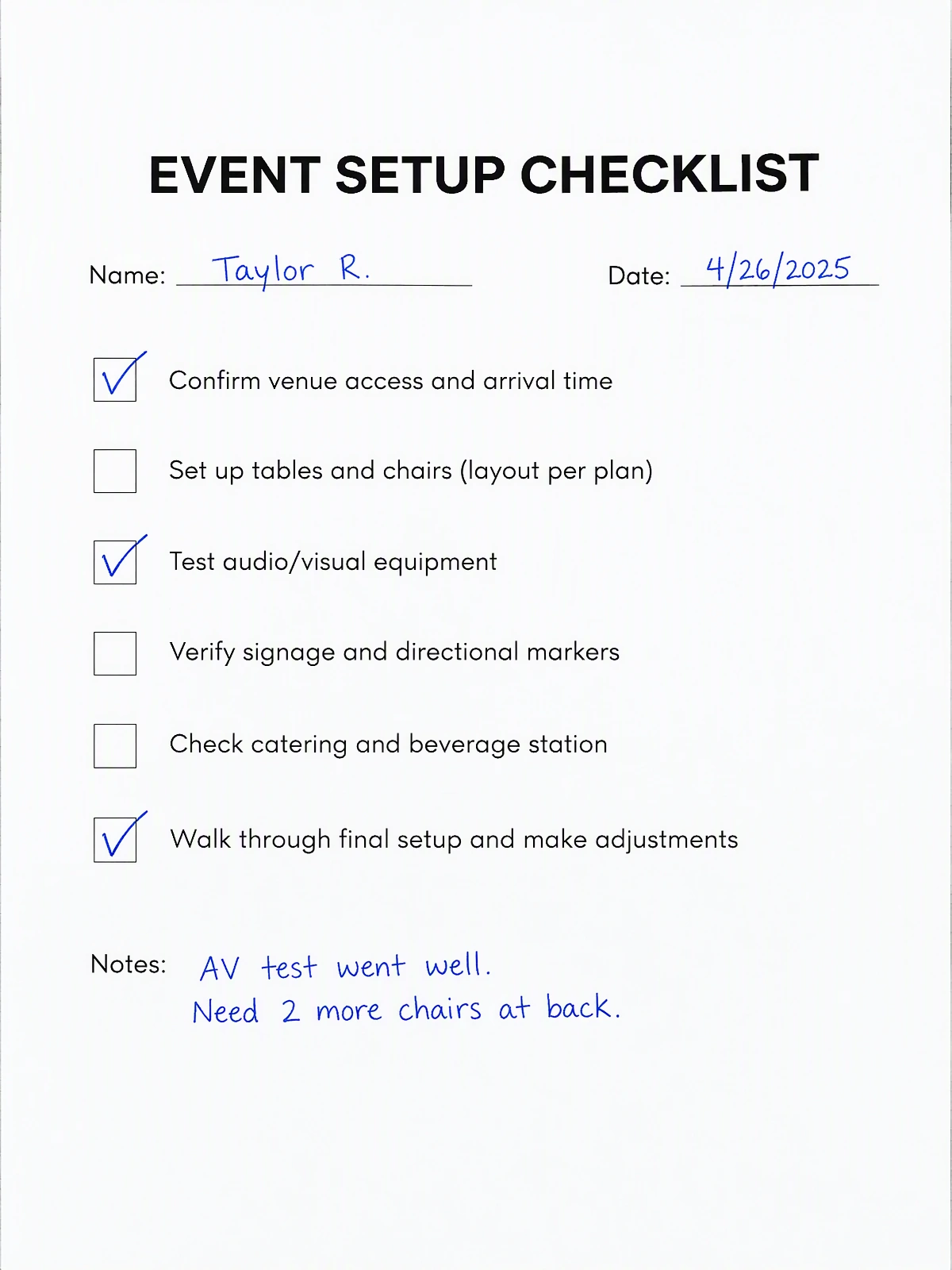
Checkboxes, printed tasks, blue checkmarks, and the handwritten note stay in place.
Vertical phone photo of an event checklist on a clipboard and navy-blue fabric
The same event checklist presented as a clean vertical scan for sharing

Convert a document photo in three steps

Use a sharp photo with one complete page and a contrasting surface around it.

  1. 1

    Photograph the full page

    Keep all four corners visible and avoid cutting off text, handwriting, stamps, or highlights.

  2. 2

    Choose your scan settings

    Automatic crop and perspective correction are on by default. Choose color, grayscale, or black and white before processing.

  3. 3

    Inspect every detail

    Check names, numbers, handwriting, table lines, and colored marks before downloading the image.

Download the format that fits the next step

Once you approve the result in the editor, keep the page as an image for quick sharing or wrap it in a single-page PDF for a document workflow.

Single-page PDF

Create a clean, image-based PDF with the corrected page proportions for email, upload forms, and document folders.

PNG, JPG, or JPEG image

Save the scan-like result as a standard image when you need to send it in a chat, attach it to a listing, or keep it in your camera roll.

Review before export

Compare the photo and result first, then download only after names, numbers, handwriting, and colored marks match the original.

Built for everyday single-page documents

Use it when you need a clean image of a page now and do not need a certified or archival scan.

Printed pages

Clean up a photographed letter, handout, worksheet, menu, or reference page.

Handwritten notes

Keep blue or black handwriting, checkmarks, arrows, and diagrams visible in the result.

Forms and checklists

Straighten boxes, tables, labels, and completed fields for easier review or sharing.

Highlighted study pages

Preserve colored highlights and annotations while removing the surrounding desk.

This is a convenience image, not a certified scan

Use a professional or specialist workflow when chain of custody, archival color, legal acceptance, or fragile originals matter.

  • The scan editor processes one page per image. Download and check each scan, then combine up to 20 images in Photo to Document.
  • It does not return searchable OCR text or guarantee legal, evidentiary, or archival quality.
  • Blurred, folded, reflective, cropped, or heavily damaged pages may not preserve every detail.
  • AI may alter words or figures. Always compare the result with the original before sharing important records.

Photo to Scan questions, answered

Cropping, shadows, PDF downloads, OCR, handwriting and how your files are handled.

How do I turn a photo into a scanned document?
Take a sharp photo with all four page corners visible. Upload it, choose automatic crop and perspective correction, then select color, grayscale or black and white. Run the edit, compare the result with the original and download an image or single-page PDF.
Can it remove shadows and straighten a tilted page?
Yes. Photo to Scan reduces uneven lighting and can crop and correct perspective. Use Remove Shadows from Photo when you only want lighting cleanup with the original framing. Neither tool can recover exact information that was never captured. AI may alter details; inspect text and marks before saving.
Can I download the scan as a PDF?
Yes. The editor offers an image or a single-page, image-based PDF. Text remains part of the picture, so this PDF does not have searchable or selectable OCR text.
Does it support OCR, multiple pages and handwriting?
These are separate tasks. Use Extract Text from Image for copyable text. To combine up to 20 pages, download each reviewed scan and add the images to Photo to Document. Handwritten pages can be processed, but AI may change writing or marks; compare with the original. Handwriting recognition is not guaranteed.
Are files uploaded, and how long are they saved?
Scanning uploads your photo for processing. Ordinary photos and results may remain in edit history after the session; this workflow has no fixed automatic deletion deadline. Deleting history is not a guarantee that stored image files are immediately erased. The separate Photo to Document tool builds PDFs in your browser without uploading image data.
Which scan color mode should I choose?
Choose Color for highlights, colored stamps and annotations. Grayscale removes color while keeping shades of gray. Black & white gives a stronger paper-and-ink look. Preview each result and check fine marks and numbers before confirming.
Can I combine several cleaned scans into one PDF?
Yes. Download each result after checking it against the original, then open Photo to Document. Add your cleaned images, arrange the pages and export one PDF. The scan editor itself still processes one photo at a time.

Make one photographed page easier to read and share

Upload a single page, review the straightened result, and download only after every important detail matches the original.

Upload one photographed page

JPG, PNG, or WebP.

Choose photo
One pageAuto straighteningReview before download